
Fritz Haber
✶December 9, 1868
†January 29, 1934
About their life
About their life…Memories
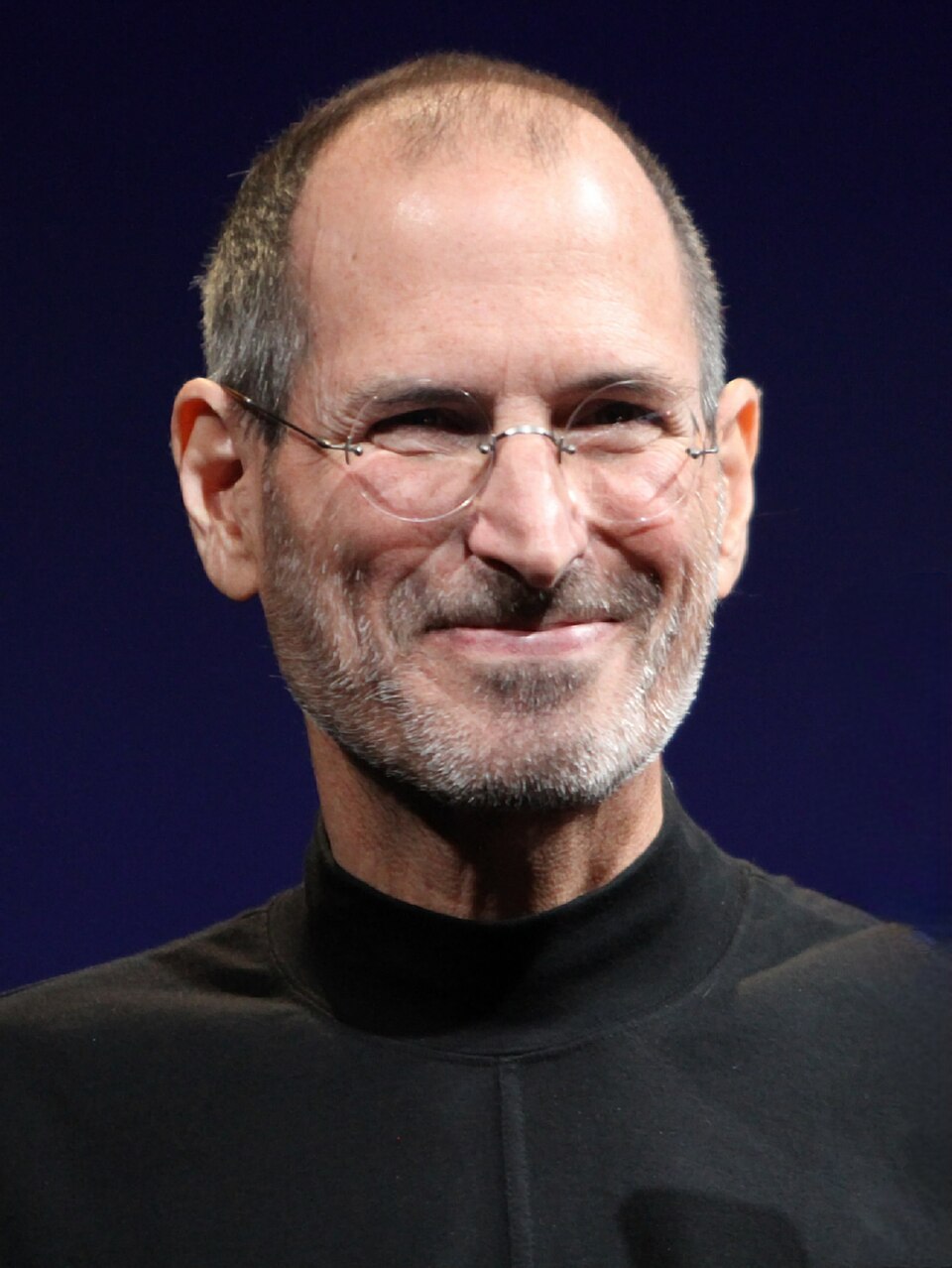
Steve Jobs
1955 – 2011
Candle burning

Nikola Tesla
1856 – 1943
Candle burning
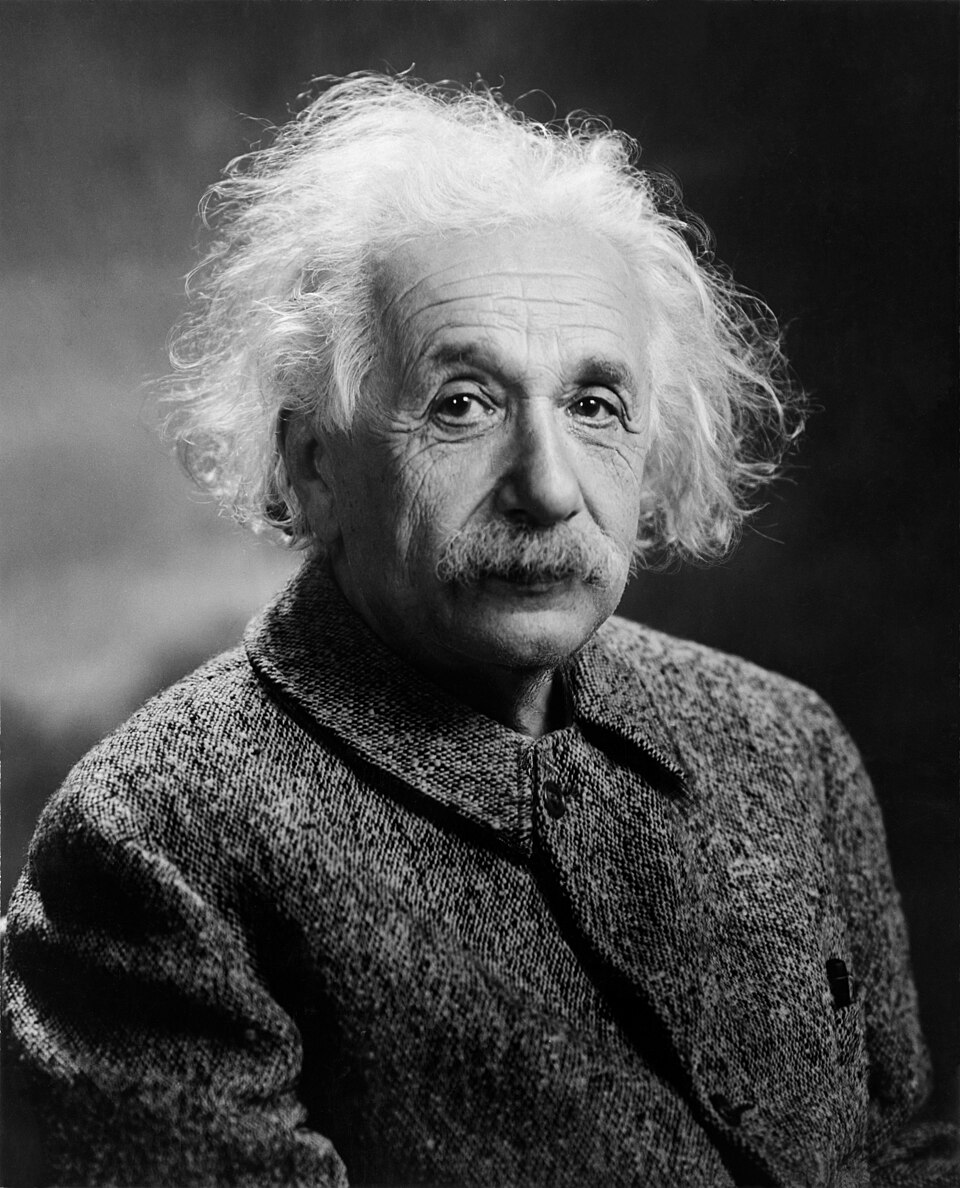
Albert Einstein
1879 – 1955
Candle burning
Stephen Hawking
1942 – 2018
Candle burning

Isaac Newton
1642 – 1727
Candle burned out

Marie Curie
1867 – 1934
Candle burned out

Alan Turing
1912 – 1954
Candle burned out

J. Robert Oppenheimer
1904 – 1967
Candle burned out

Louis Pasteur
1822 – 1895
Candle burned out

Alexander Graham Bell
1847 – 1922
Candle burned out

Avicenna
980 – 1037
Candle burned out

Johannes Gutenberg
1400 – 1468
Candle burned out
Would you like to keep memories of someone else?