
C. V. Raman
✶November 7, 1888
†November 21, 1970
About their life
About their life…Where candles were lit from
3 candles from 2 countries
Memories
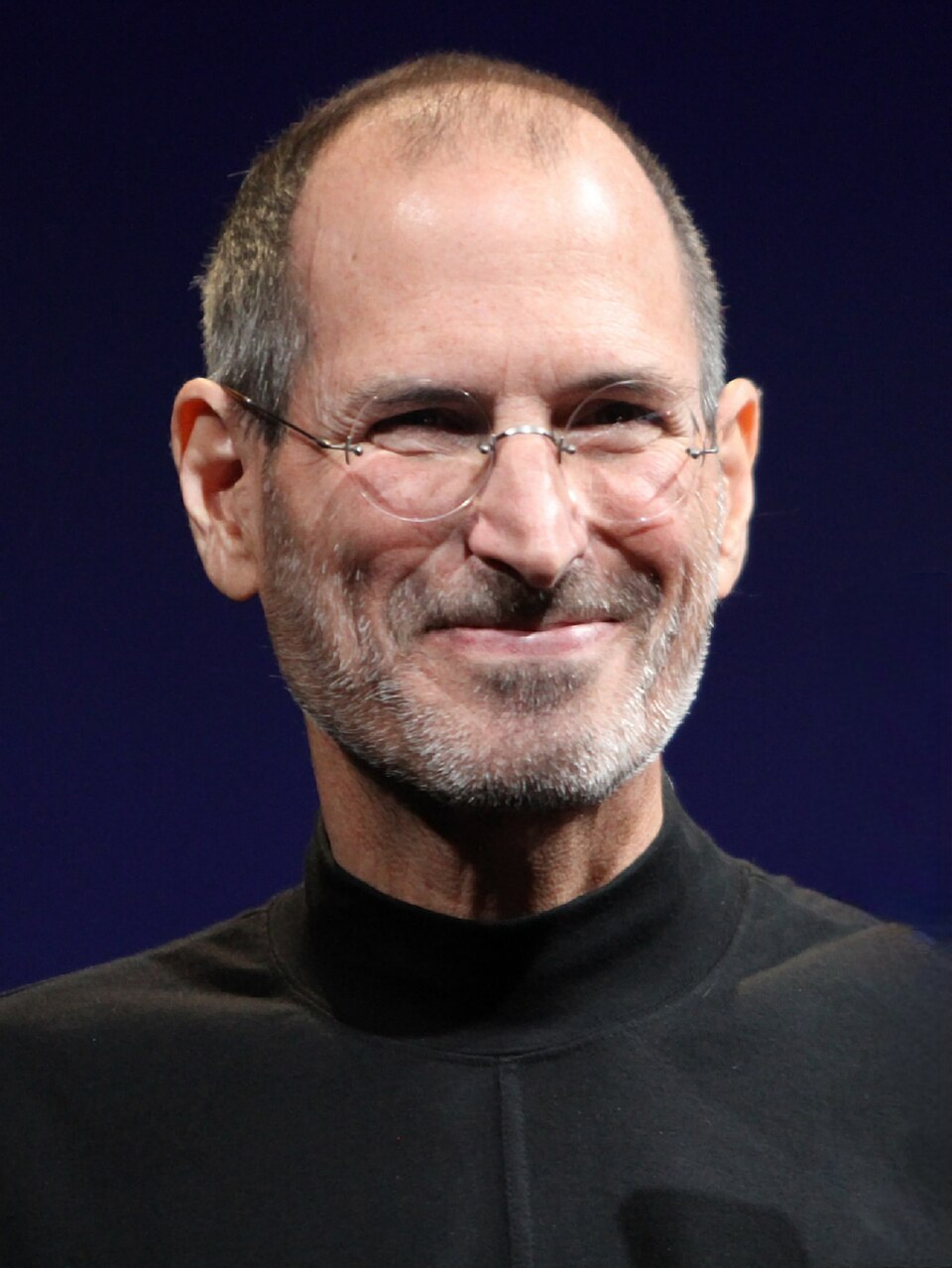
Steve Jobs
1955 – 2011
Candle burning
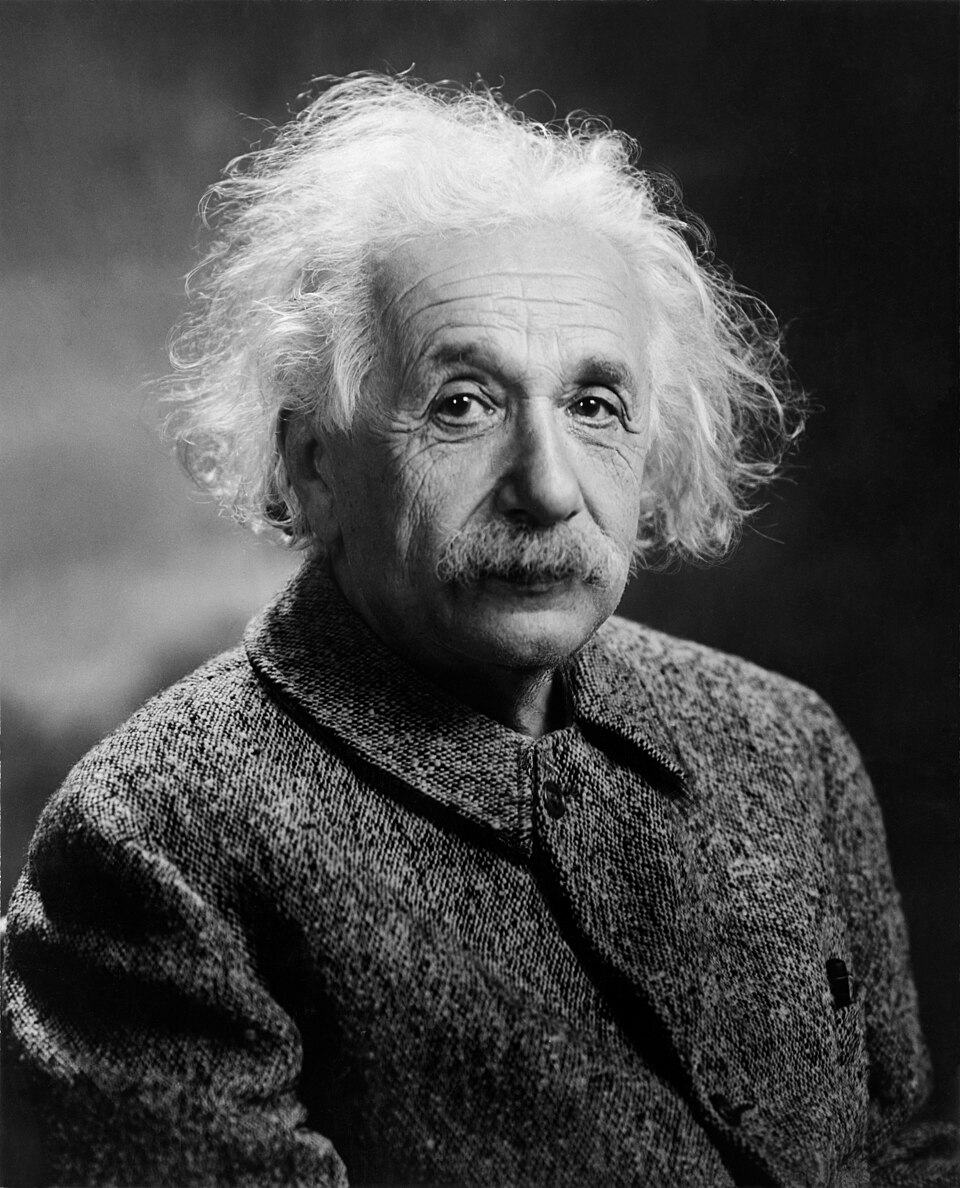
Albert Einstein
1879 – 1955
Candle burning

Nikola Tesla
1856 – 1943
Candle burning
Stephen Hawking
1942 – 2018
Candle burning

Isaac Newton
1642 – 1727
Candle burned out

Marie Curie
1867 – 1934
Candle burned out

Alan Turing
1912 – 1954
Candle burned out

Charles Darwin
1809 – 1882
Candle burned out

Thomas Edison
1847 – 1931
Candle burned out

Yuri Gagarin
1934 – 1968
Candle burned out

J. Robert Oppenheimer
1904 – 1967
Candle burned out

Louis Pasteur
1822 – 1895
Candle burned out
Would you like to keep memories of someone else?